
From Charity to Justice:
Dignity in Action since 1988

What We Do
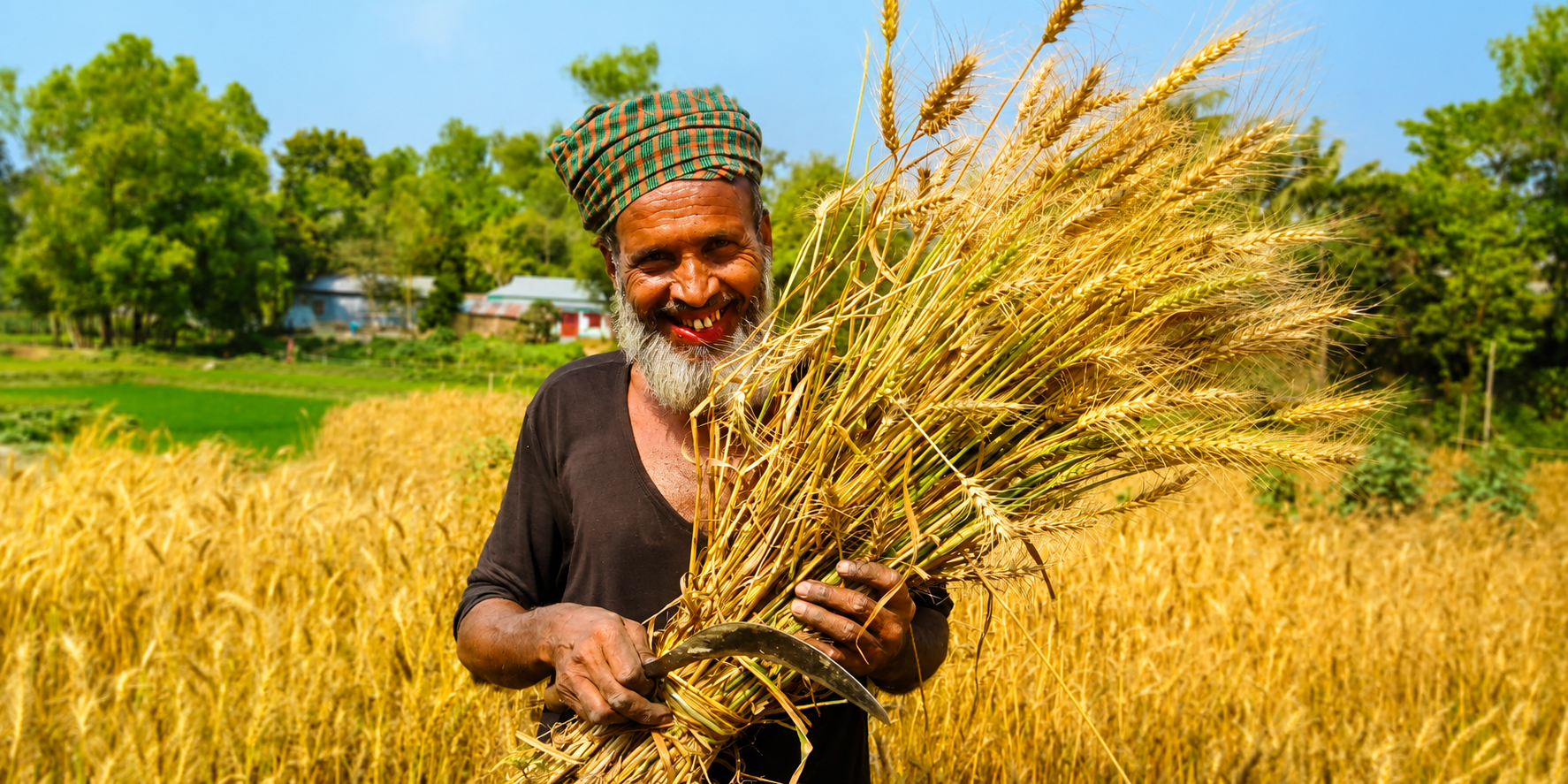
Agriculture & Climate Resilience
Climate-smart Farming, Food Security, Adaptation.
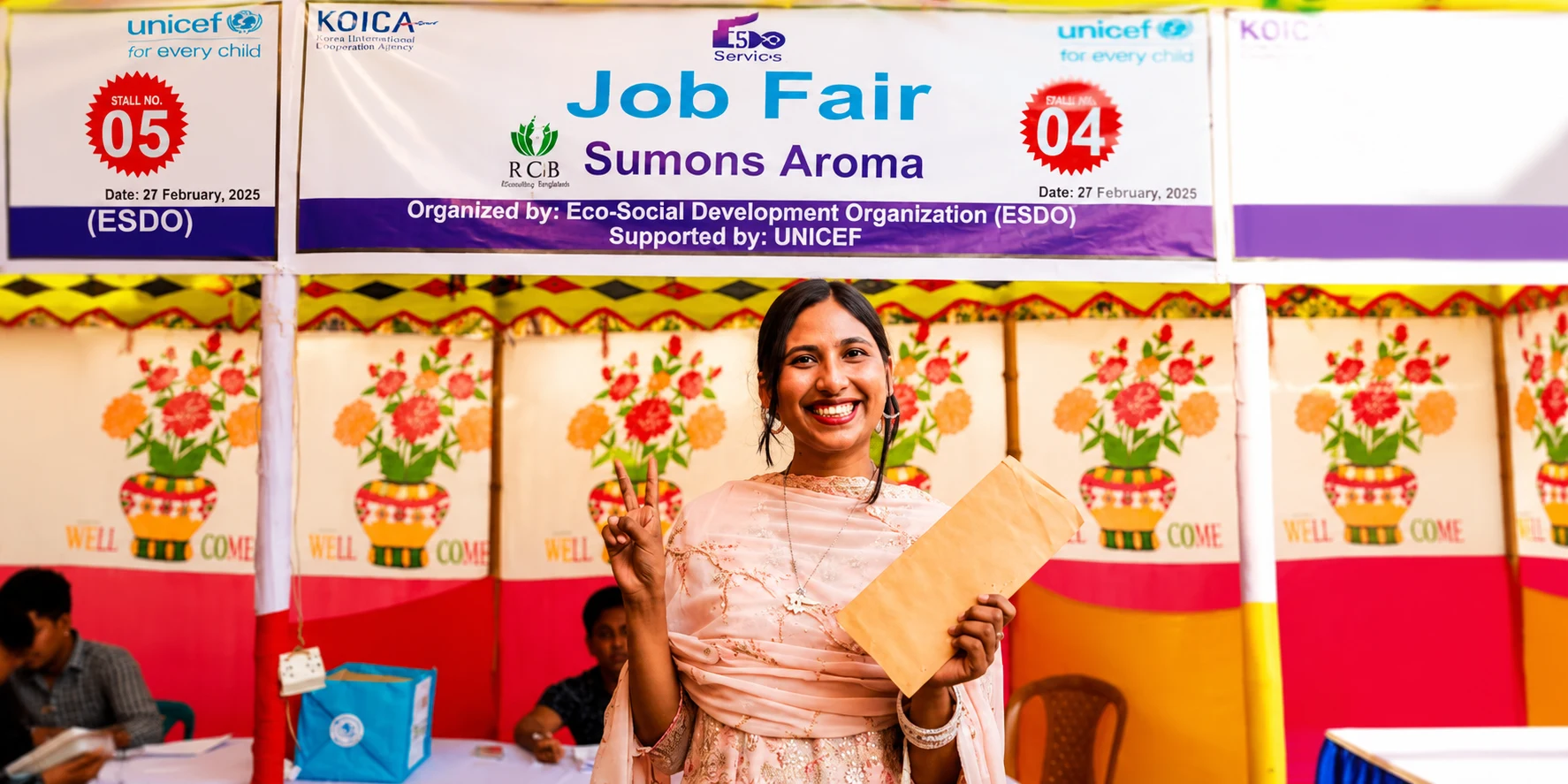
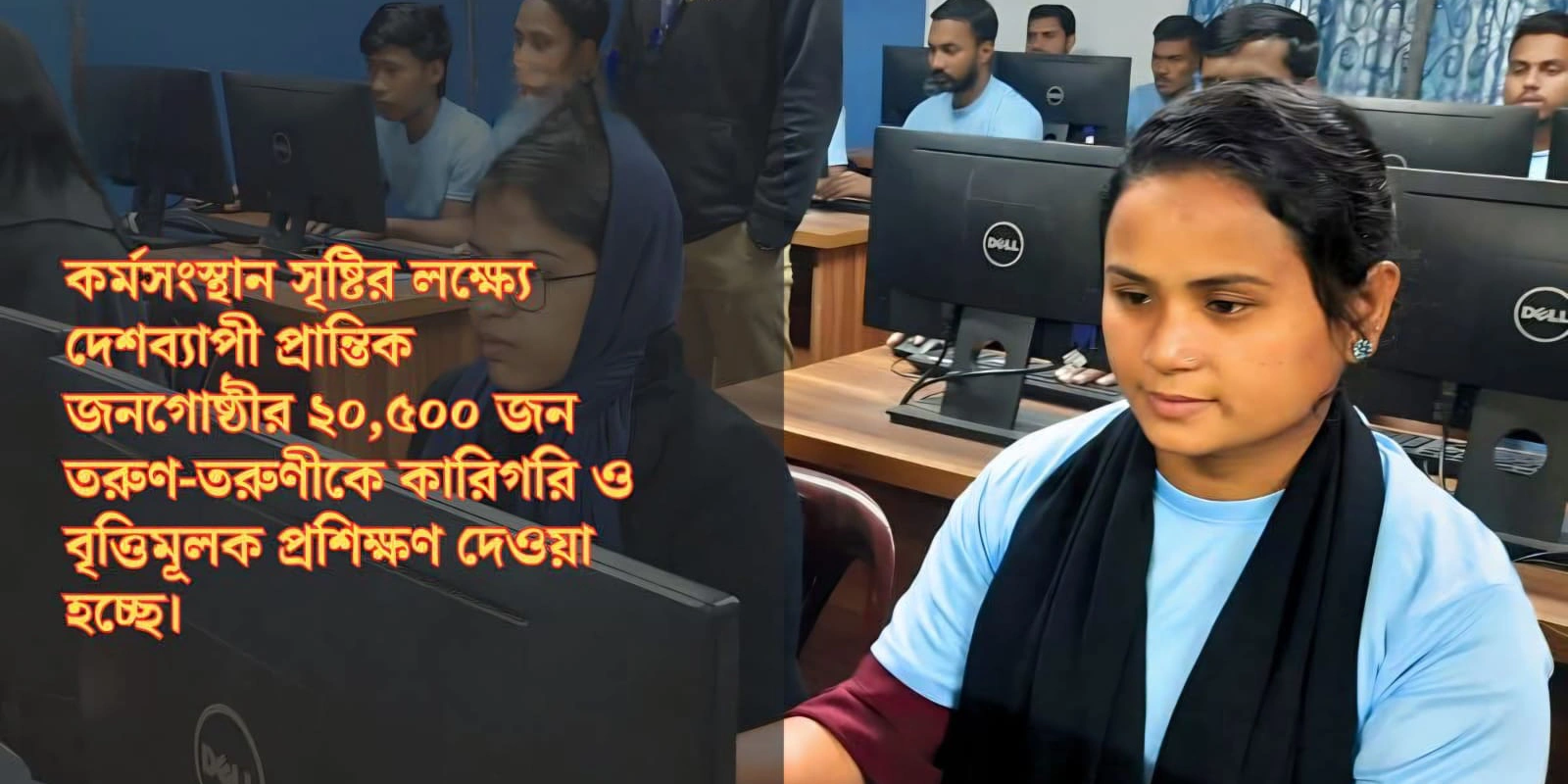
Skills & Youth Empowerment
Training, entrepreneurship, and technical education (TVET).
Microfinance & Financial Inclusion
Serving 226,000+ members with sustainable financial services.
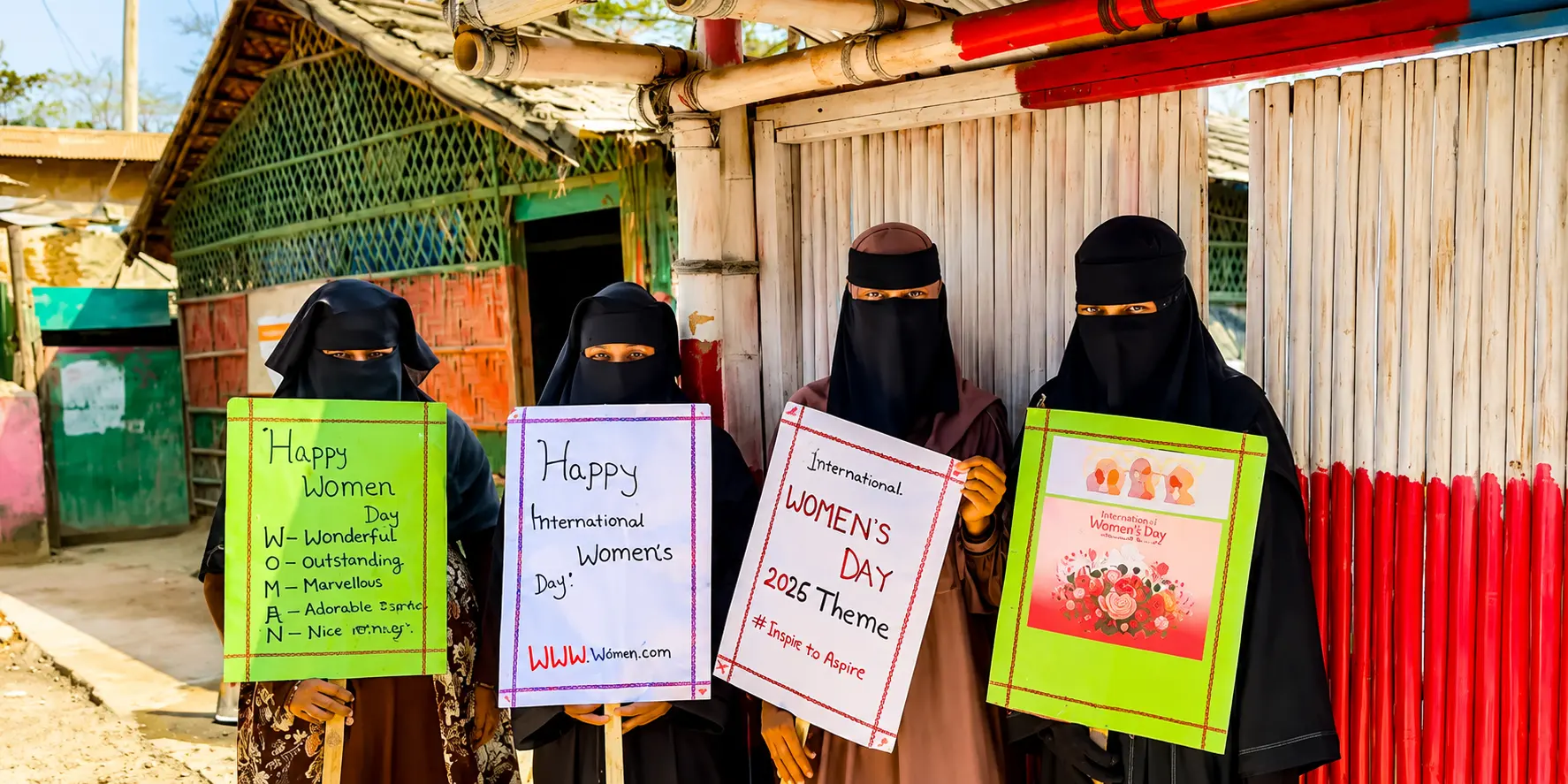
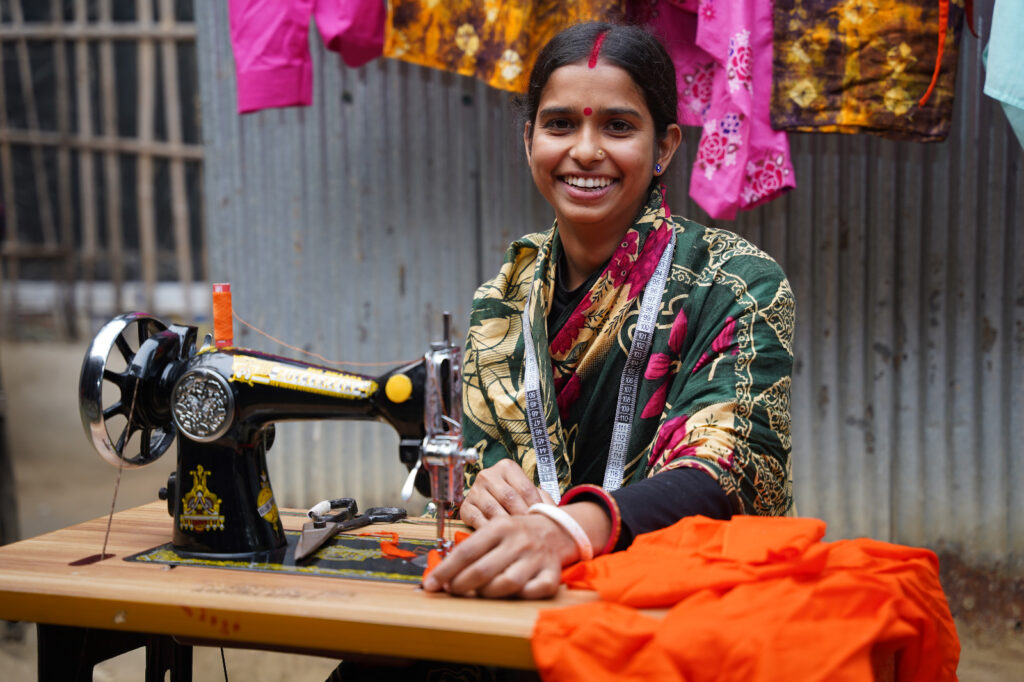
Women's Empowerment
From small enterprises to leadership in governance.
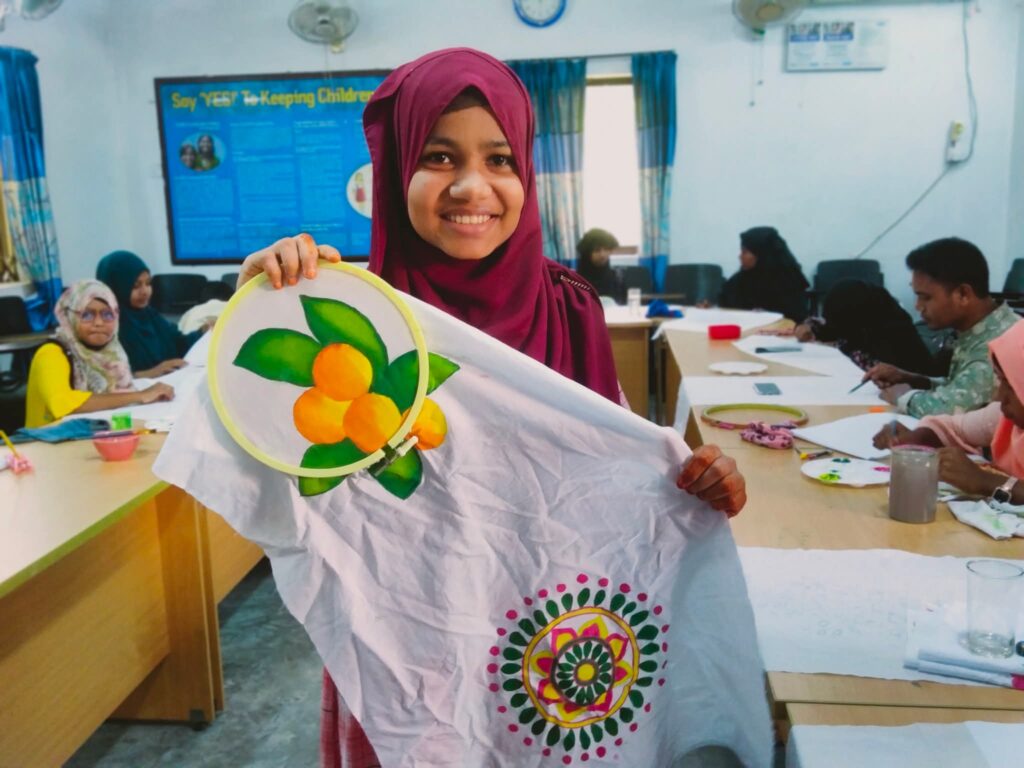
Education & Child Protection
Schools, vocational training, child labor elimination.
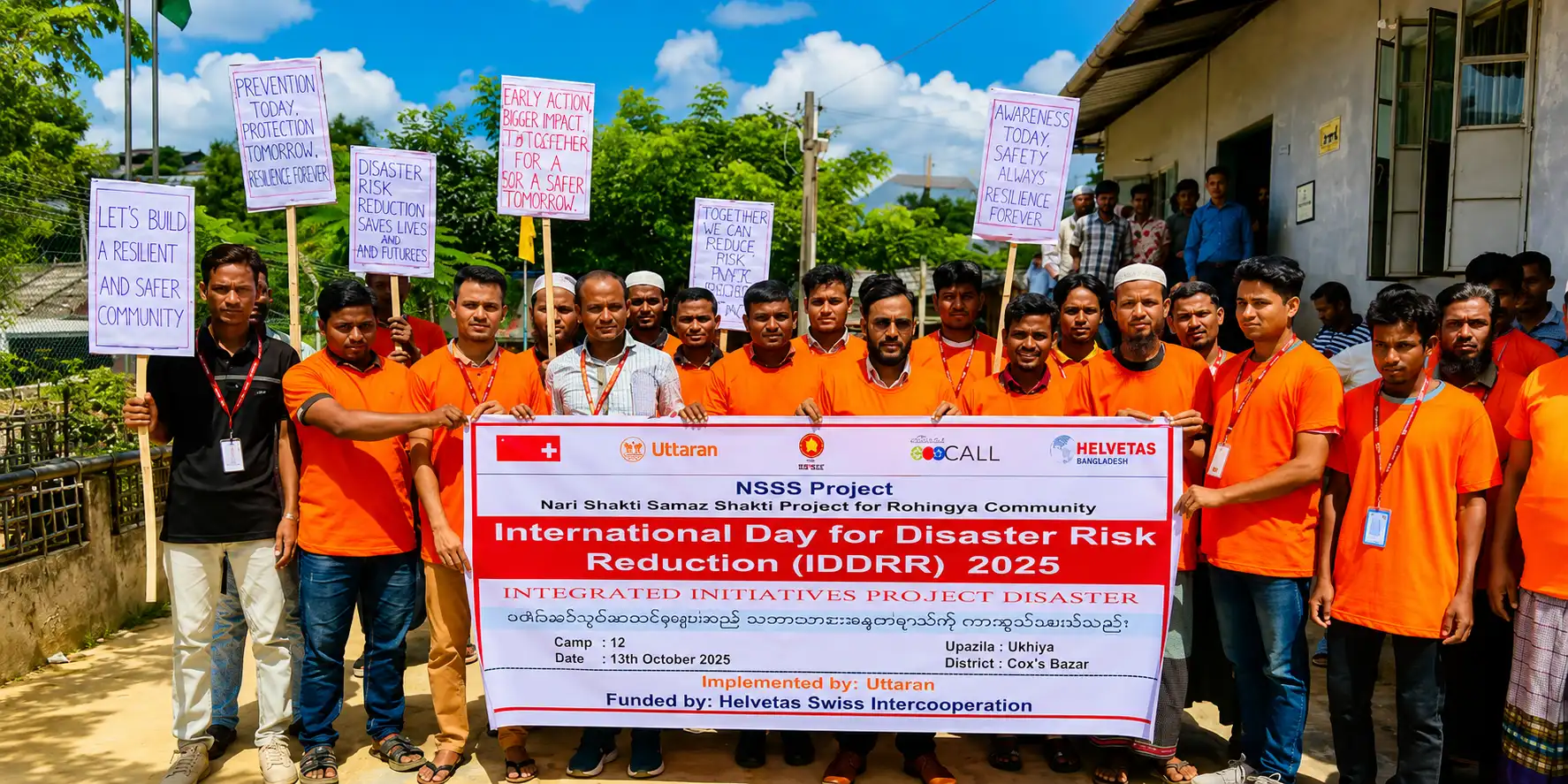
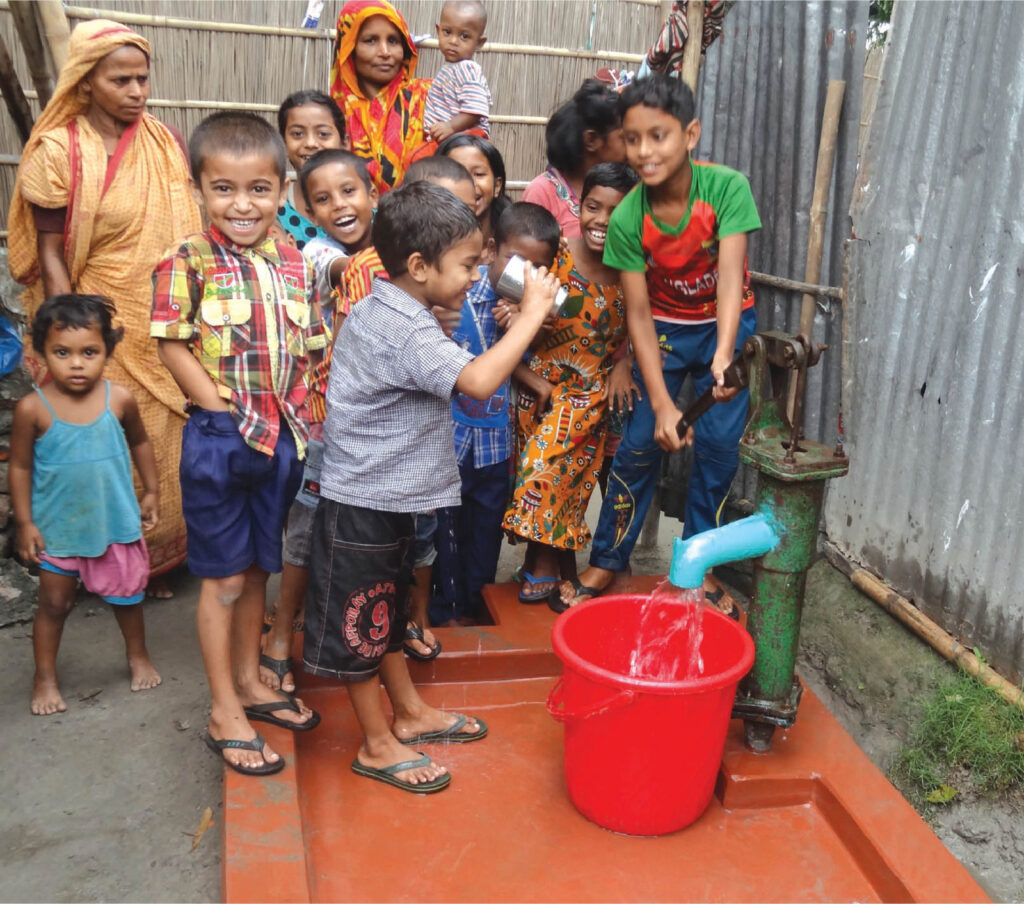
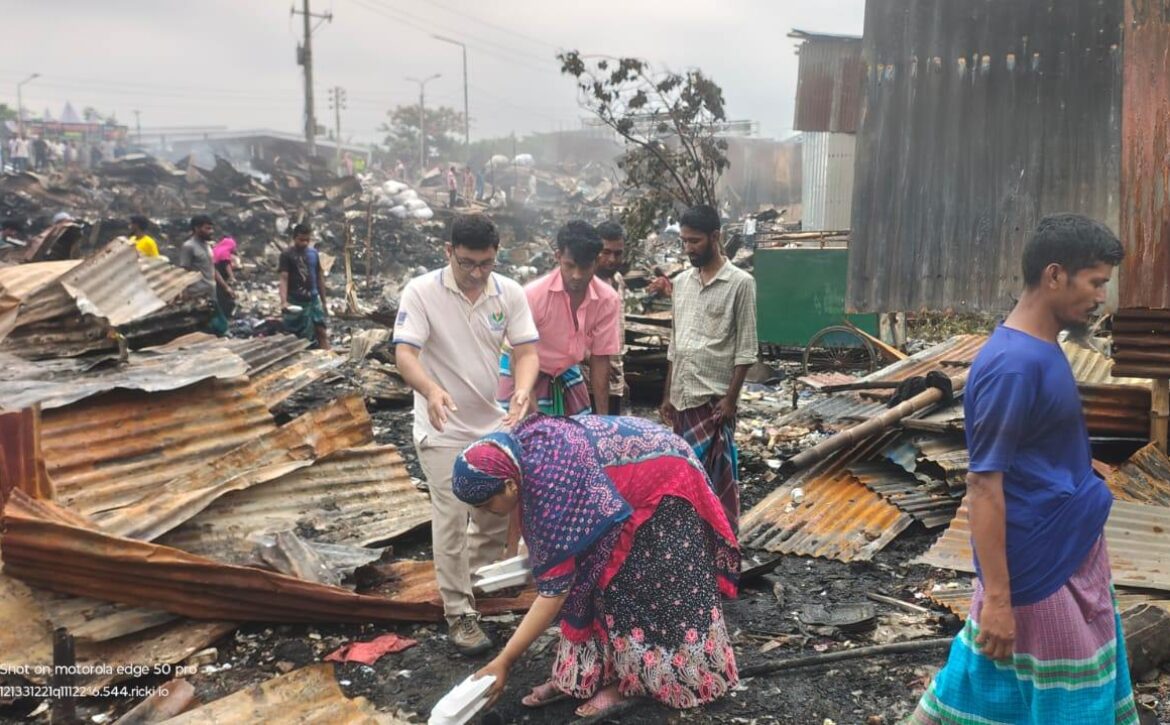
Humanitarian Response
Rohingya crisis, floods, pandemics, and emergencies.
Our Vision
A just, inclusive, and resilient society where every individual lives with dignity, creativity, and opportunity
Why ESDO Matters
- Real-world learning: Our work bridges theory and practice in development, climate, and social work.
- Innovation: Blending grassroots action with global frameworks (SDGs, Grand Bargain, climate finance).
- Inspiration: From village flood relief to international advocacy a story of resilience and dignity.
Our Achievements
- Supported 200000+ young entrepreneurs under incubation & mentoring programs.
- Microfinance program with USD 1.05 billion loan portfolio and 95% women borrowers.
- Over 3.5 million people support-ed in climate adaptation and sustainable agriculture.
- Recognized leader in localiza-tion & pooled fund advocacy (MRA approved 2025).
- Pioneered the Human Dignity Approach (HDA) – shifting aid from charity to justice.
380
Years of
Foundation
4220
UPAZILA
WORKING AREA
560
DISTRICTS
WORKING AREA
15.73
BENEFICIARY
IN BANGLADESH
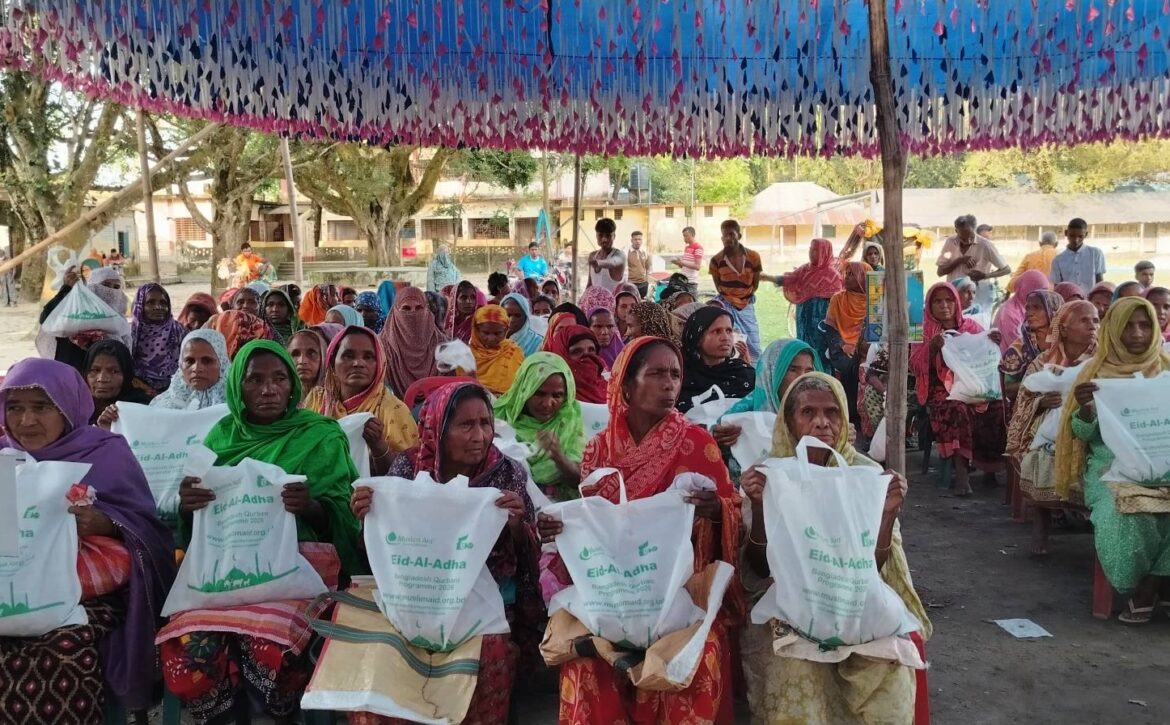
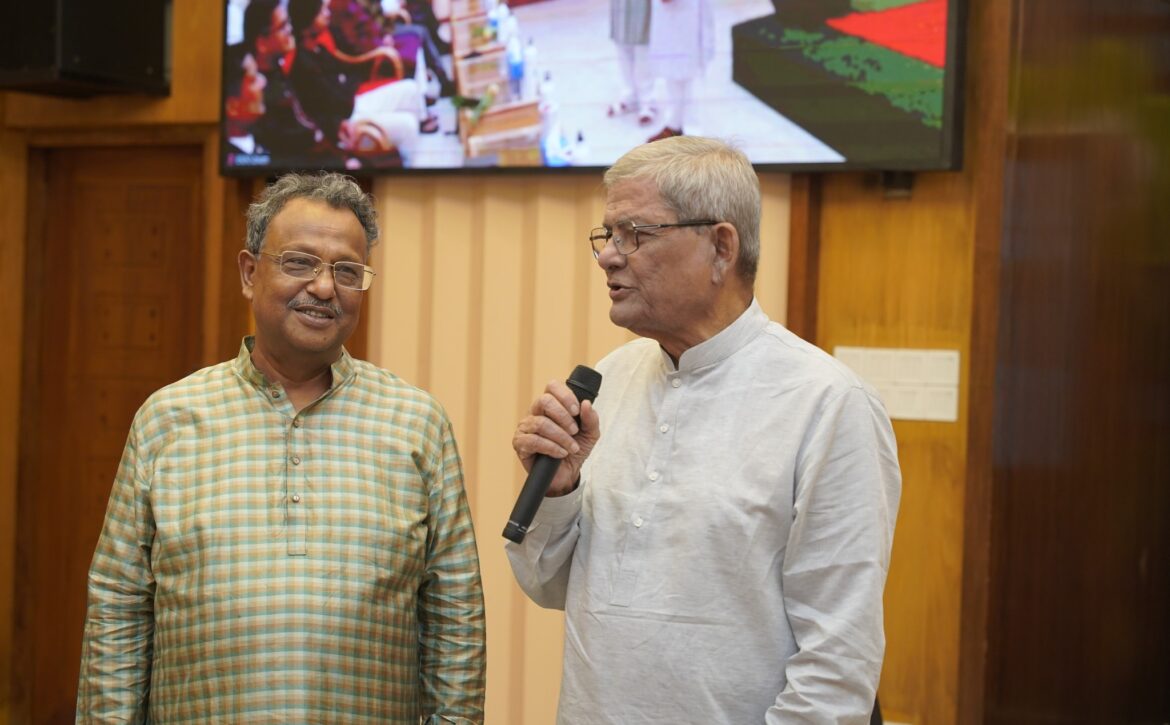
Voice from Fields
Inspiring milestones from our community-focused projects. See the true stories of individuals reclaiming their rights, adapting to environmental shifts, and shaping a discrimination-free future.
Empowering underprivileged communities in Bangladesh through sustainable and climate-resilient development since 1988.
Successful entrepreneurs are producing and marketing these ducklings with the support of skills and entrepreneurship development
Empowering 68 Birth Attendants as Frontline Climate Health Changemakers.
400+ Cox’s Bazar artisans craft eco-toys; eye care boosts work, confidence & futures.
DEVELOPMENT PARTNERS
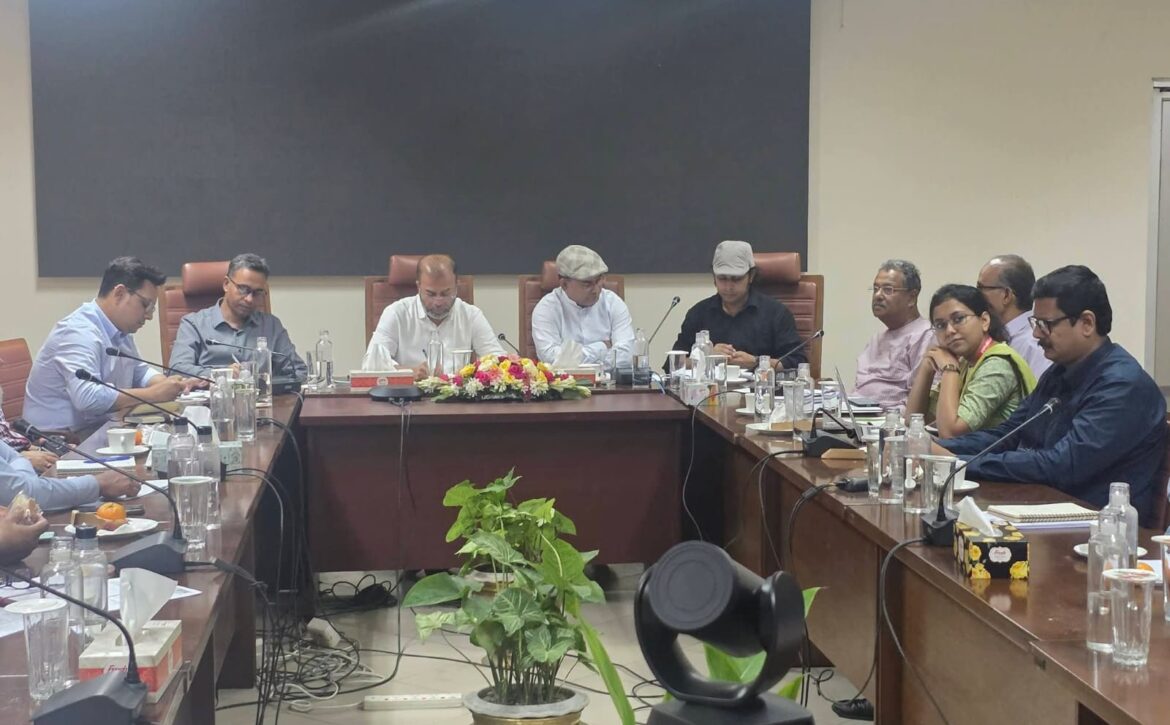
Our partnerships are one of our key approaches and an essential part of how we achieve success. Our work with local NGOs and civil society ensures that we have access to the best knowledge and understanding of each community and its context, and can work in ways that are relevant and practical.
International Organization for Migration (IOM)
International Labour Organization (ILO)
United Nations Development Programme (UNDP)
United Nations International Children's Emergency Fund (UNICEF)
World Food Programme (WFP)
CARE Bangladesh
Danish Refugee Council (DRC)
Educo Bangladesh
Enfants du Monde (EdM)
Heifer International Bangladesh
HEKS-EPER
Max Foundation – Netherlands
Muslim Aid – UK
Plan International Bangladesh
Save the Children International
Solidaridad Network Asia
Stromme Foundation – Norway
Sustainable Agriculture Foundation Bangladesh (SAF Bangladesh)
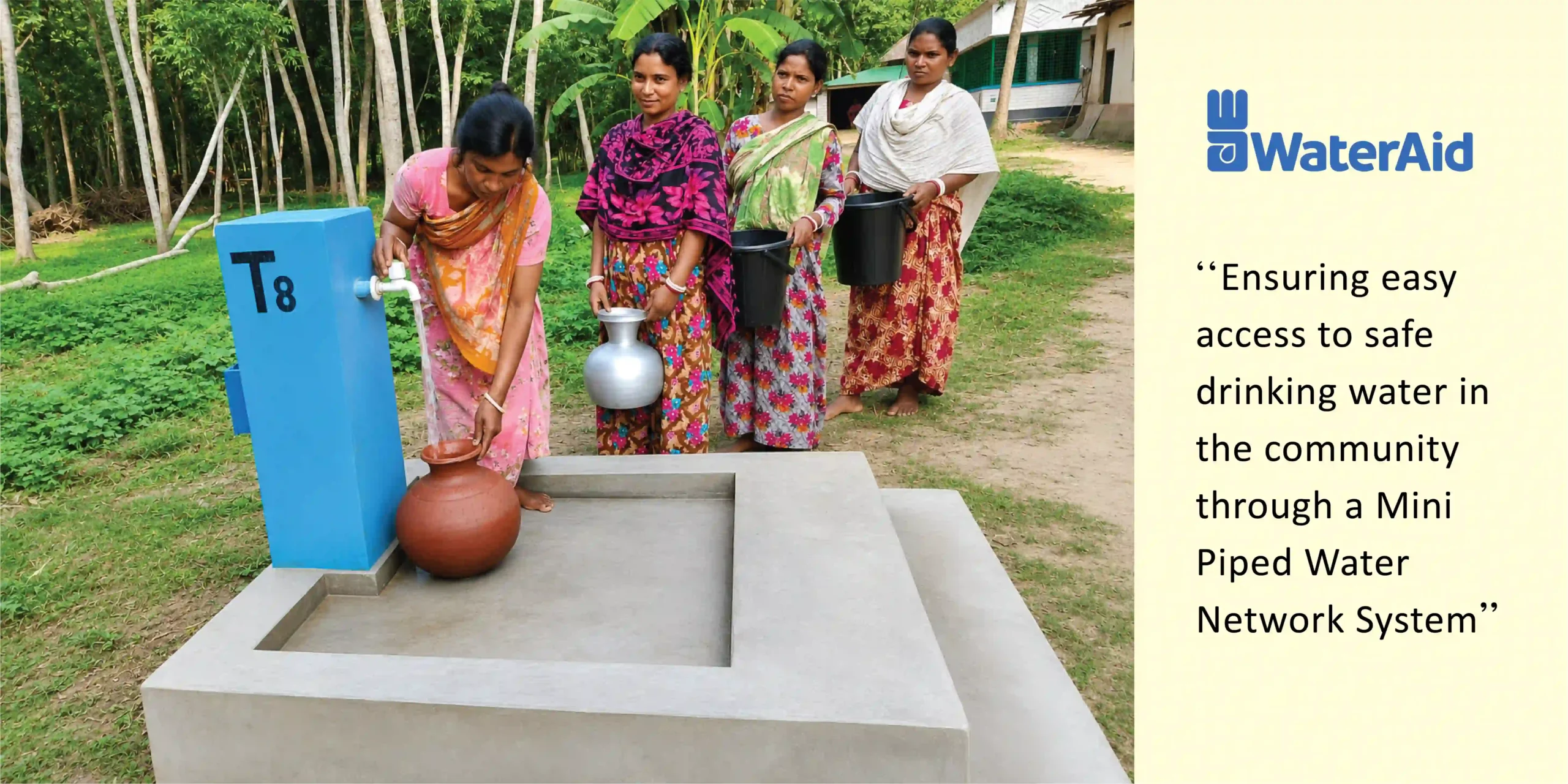
WaterAid Bangladesh
HELVETAS
Water.org Bangladesh
Swisscontact
Start Network
Start Fund Bangladesh / UK AID-SIDA- Netherlands Embassy of Foreign Affairs - Jersey Overseas Aid (JOA) / JOAC / MFA Netherlands
Palli Karma-Sahayak Foundation (PKSF)
Directorate of Primary Education (DPE) - GOB
Directorate of Technical Education
Directorate of Women’s Affairs (DWA)
Local Government Division
Local Government Engineering Department (LGED)
Rural Development and Co-operatives
Skills for Industry Competitiveness and Innovation Program (SICIP)
Bangladesh NGO Foundation (BNF)
Infrastructure Development Company Limited (IDCOL)
Concern Worldwide
United Nations High Commissioner for Refugees (UNHCR)
Association of Export Oriented Ship Building (AEOSIB)
Bangladesh Garment Manufacturers and Exporters Association (BGMEA)
Bangladesh Association of Construction Industry (BACI)
Real Estate & Housing Association of Bangladesh (REHAB)
Manusher Jonno Foundation (MJF)
Center for Policy Dialogue (CPD)
Thakurgaon Municipality
NMF
Dutch Government
Swiss Agency for Development and Cooperation (SDC)
Swiss Re
MacP2
ELRHA (Enhancing Learning and Research for Humanitarian Assistance)
Hempel Foundation
International Food Policy Research Institute (IFPRI-HarvestPlus)
IKEA Foundation
FCDO (UK Foreign, Commonwealth & Development Office)
GFFO (German Federal Foreign Office)
Ministry of Foreign Affairs- Netherlands
IFAD (International Fund for Agricultural Development)
Save the Children Denmark
Swiss Tropical And Public Health Institute
DANIDA (Danish International Development Agency)
The Share Trust
অবিরাম সাড়ে তিন দশক (১৯৮৮-২০২৬)

testimonials
What People are Saying?
The sites we visited, and the activities which were shown to us, are a true testament of how passionate and driven the entire ESDO team has been in ensuring that you are delivering the impacts in some of the most vulnerable areas and communities. I am sure that your work will always be considered as an example by the Bangladesh country programme of IFAD.
Arnoud Hameleers
Country Director, Bangladesh, Asia and the Pacific Division, Programme Management Department.World Food Programme (WFP) is proud to be ESDO's partner-we expect that our partnership will help in reaching our mutual goals and open new doors in the future.