
The landscape of primary education is being transformed by nutritious meals: the positive impact of ESDP’s school feeding program in 22 upazilas of the Rangpur Division
Nutritious Food is Transforming the Landscape of Primary Education
The Positive Impact of ESDS’s School Feeding Program in 22 Upazilas of the Rangpur Division-
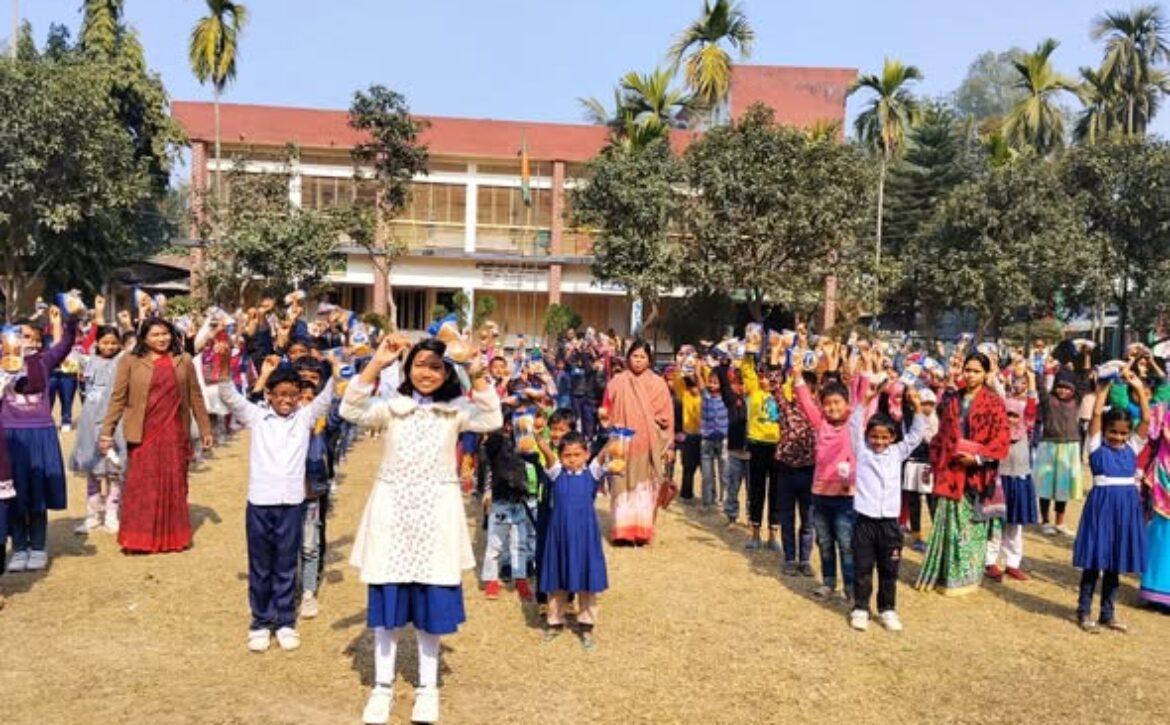
For thousands of children in the remote villages, char areas, and border regions of the Rangpur Division, school now means not just academics, but also the assurance of safe and nutritious food. Every morning, students arrive at school to receive boiled eggs, bread, milk, biscuits, and ripe bananas. As a result, not only has student attendance increased, but a new enthusiasm for learning has also been sparked.
The School Feeding Program, run by the Ministry of Primary and Mass Education of the People’s Republic of Bangladesh, is being implemented at the local level by the private development organization Ekota-Social Development Organization (ESDO). Currently, this program is being implemented in 22 upazilas across 8 districts of the Rangpur Division.
This program includes Rangaipur Sadar Upazila in Rangaipur district; Bhurungamari, Nageshwari, Chilmari, Rajarbahat, and Kurigram Sadar Upazilas in Kurigram district; Palashbari and Gaibandha Sadar Upazilas in Gaibandha district; Jalalakhata and Kishoreganj Upazilas in Nilphamari district; Lalmonirhat district’s Patgram and Kaliganj upazilas; Dinajpur district’s Birampur, Biral, Bochaganj, Ghoraghhat, and Kaharol upazilas; Panchagarh district’s Atwari, Boda, Debiganj, and Panchagarh Sadar upazilas, and Thakurgaon district’s Baliaidangi upazila.
According to ESDO, this program is currently being implemented in a total of 3,379 public primary schools. Nutritious meals are distributed to approximately 435,772 students daily. Stakeholders believe this initiative is playing a crucial role in eliminating student malnutrition, increasing school attendance, and preventing dropouts.
According to the set daily menu, boiled eggs, bread, liquid milk, biscuits, and ripe bananas are being provided to the schools. These meals are helping children’s physical growth, mental development, and focus on their education. This food assistance has, in many cases, become a source of extra nutrition, especially for children from poor families.
Teachers from various schools in the Rangpur Division report that since the start of the school feeding program, there has been a noticeable improvement in student attendance. Whereas the average attendance rate was about 75 percent, it has now risen to nearly 95 percent. Many children who used to attend school irregularly are now participating in classes regularly.
An assistant teacher said, “Many students used to come to school in the morning without eating. As a result, their concentration in class was low. Now, because they get food, they come to school with enthusiasm and actively participate in class.”
Speaking with parents in remote and hard-to-reach areas, it is clear that this program is a significant help for poor families. Many families are now more eager to send their children to school regularly.
Another important aspect of this program is the creation of employment for local women. To ensure the daily supply of fresh food to the schools, local women entrepreneurs have been developed. Currently, a total of 1,748 impoverished women are involved in this initiative as entrepreneurs across 22 upazilas.
Every morning, they boil fresh eggs from their own chickens, source quality bananas, and deliver them to the school on time. Through this, they are able to contribute financially to their families. Many women are now able to cover their children’s education and household expenses with their own earnings.
Officials from the local administration and education department say the school feeding program has brought a positive change to the primary education environment. While the nutritious meals are improving students’ health, they are also enhancing their cognitive development and the quality of education.
District education officials stated that the program is playing a crucial role in preventing student dropouts and ensuring quality primary education. In the future, there are plans to further expand this program through coordination between the local administration, the education department, and the implementing agency.
According to stakeholders, the school feeding program is not just a food assistance project, but it has already set an important precedent as an effective social initiative for improving the quality of primary education, ensuring child nutrition, and enhancing the livelihoods of poor communities.
The Positive Impact of ESDS’s School Feeding Program in 22 Upazilas of the Rangpur Division-
For thousands of children in the remote villages, char areas, and border regions of the Rangpur Division, school now means not just academics, but also the assurance of safe and nutritious food. Every morning, students arrive at school to receive boiled eggs, bread, milk, biscuits, and ripe bananas. As a result, not only has student attendance increased, but a new enthusiasm for learning has also been sparked.
The School Feeding Program, run by the Ministry of Primary and Mass Education of the People’s Republic of Bangladesh, is being implemented at the local level by the private development organization Ekota-Social Development Organization (ESDO). Currently, this program is being implemented in 22 upazilas across 8 districts of the Rangpur Division.
This program includes Rangaipur Sadar Upazila in Rangaipur district; Bhurungamari, Nageshwari, Chilmari, Rajarbahat, and Kurigram Sadar Upazilas in Kurigram district; Palashbari and Gaibandha Sadar Upazilas in Gaibandha district; Jalalakhata and Kishoreganj Upazilas in Nilphamari district; Lalmonirhat district’s Patgram and Kaliganj upazilas; Dinajpur district’s Birampur, Biral, Bochaganj, Ghoraghhat, and Kaharol upazilas; Panchagarh district’s Atwari, Boda, Debiganj, and Panchagarh Sadar upazilas, and Thakurgaon district’s Baliaidangi upazila.
According to ESDO, this program is currently being implemented in a total of 3,379 public primary schools. Nutritious meals are distributed to approximately 435,772 students daily. Stakeholders believe this initiative is playing a crucial role in eliminating student malnutrition, increasing school attendance, and preventing dropouts.
According to the set daily menu, boiled eggs, bread, liquid milk, biscuits, and ripe bananas are being provided to the schools. These meals are helping children’s physical growth, mental development, and focus on their education. This food assistance has, in many cases, become a source of extra nutrition, especially for children from poor families.
Teachers from various schools in the Rangpur Division report that since the start of the school feeding program, there has been a noticeable improvement in student attendance. Whereas the average attendance rate was about 75 percent, it has now risen to nearly 95 percent. Many children who used to attend school irregularly are now participating in classes regularly.
An assistant teacher said, “Many students used to come to school in the morning without eating. As a result, their concentration in class was low. Now, because they get food, they come to school with enthusiasm and actively participate in class.”
Speaking with parents in remote and hard-to-reach areas, it is clear that this program is a significant help for poor families. Many families are now more eager to send their children to school regularly.
Another important aspect of this program is the creation of employment for local women. To ensure the daily supply of fresh food to the schools, local women entrepreneurs have been developed. Currently, a total of 1,748 impoverished women are involved in this initiative as entrepreneurs across 22 upazilas.
Every morning, they boil fresh eggs from their own chickens, source quality bananas, and deliver them to the school on time. Through this, they are able to contribute financially to their families. Many women are now able to cover their children’s education and household expenses with their own earnings.
Officials from the local administration and education department say the school feeding program has brought a positive change to the primary education environment. While the nutritious meals are improving students’ health, they are also enhancing their cognitive development and the quality of education.
District education officials stated that the program is playing a crucial role in preventing student dropouts and ensuring quality primary education. In the future, there are plans to further expand this program through coordination between the local administration, the education department, and the implementing agency.
According to stakeholders, the school feeding program is not just a food assistance project, but it has already set an important precedent as an effective social initiative for improving the quality of primary education, ensuring child nutrition, and enhancing the livelihoods of poor communities.