A New Horizon for Higher Education, Science & Technology, Innovation, and Employment in the Northern Region: The Eco-Social Development Organization (ESDO) family expresses its deep gratitude to Honorable Prime Minister Mr. Tarique Rahman and the Minister of Local Government, Rural Development, and Cooperatives, Mr. Mirza Fakhrul Islam Alamgir, MP.
Thakurgaon, August 17, 2026: A significant new chapter has been opened in the history of higher education and human resource development in the northern region of Bangladesh. At the initiative of the Eco-Social Development Organization (ESDO), the Eco University of Science and Technology to be established in Thakurgaon (EUST) has received government approval. This approval will unlock new possibilities for the youth of the northern region, offering quality higher education, science and technology-based skills, research, innovation, and dignified employment.
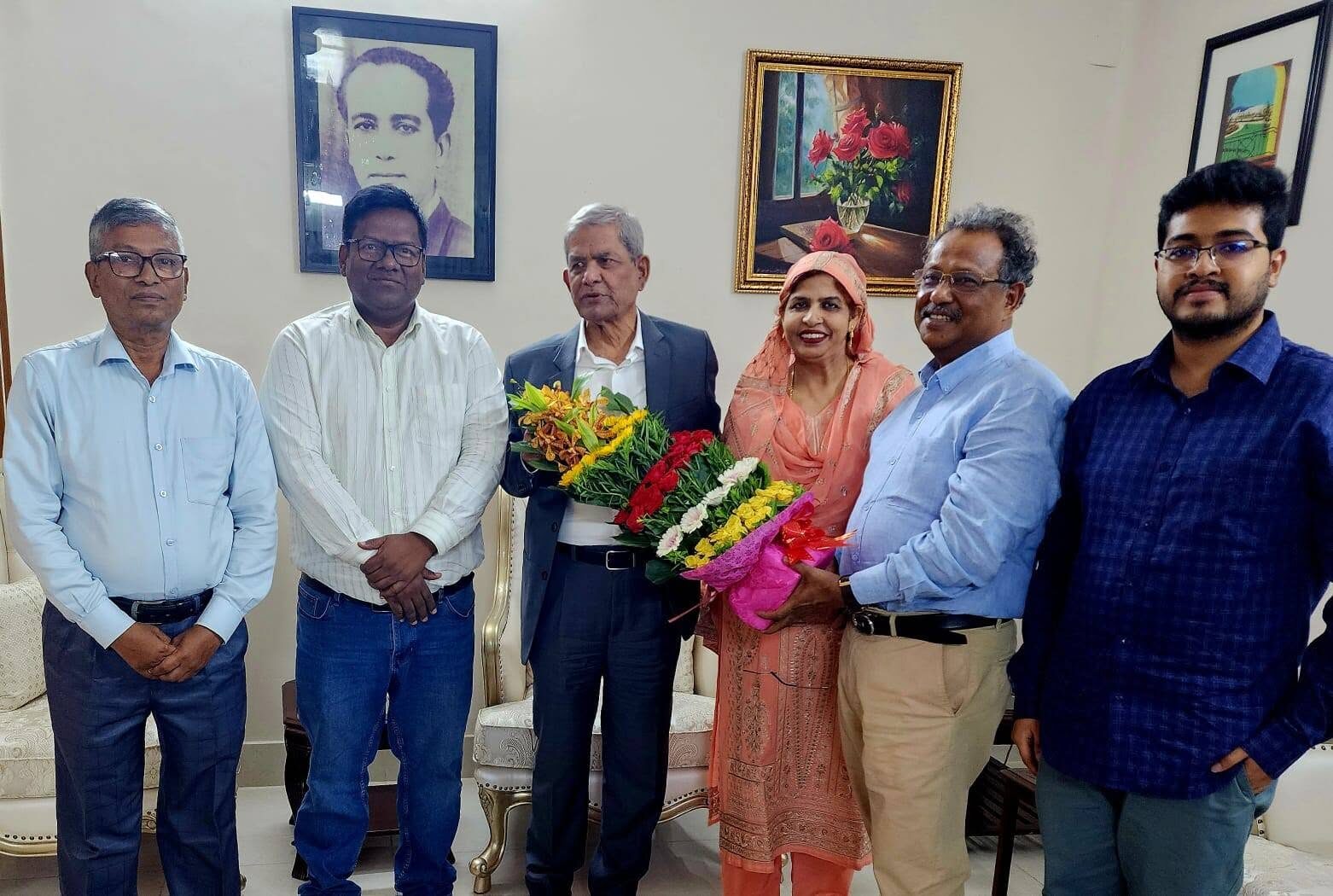
The ESDO family and the people of the northern region express their deep gratitude and sincere thanks to the Honorable Prime Minister of the People’s Republic of Bangladesh, Mr. Tarique Rahman, for this historic decision. At the same time, ESDO expresses its special gratitude to the Honorable Minister of Local Government, Rural Development, and Cooperatives, Mr. Mirza Fakhrul Islam Alamgir, MP, for his sincere cooperation, encouragement, and support in realizing the dream of establishing EUST.
“From Education to Skills • From Skills to Innovation • From Innovation to Employment
Not just a university—an investment in the future of the northern region: ESDO believes that the approval of EUST is not just the approval of a new university; it is a significant investment in the dreams, potential, and future of thousands of young men and women in the northern region. Geographical distance or socioeconomic constraints should not be a barrier to higher education for any talented student—with this vision, EUST will be developed as an inclusive, modern, and results-oriented institution of higher learning.
ESDO’s Commitment: High-Quality Education, Science & Technology, and Employment: ESDO is committed to establishing EUST not just as a degree-granting institution, but as a forward-looking university that builds effective bridges between knowledge, skills, research, innovation, entrepreneurship, and employment. The highest priority will be given to quality education, qualified faculty, modern laboratories, digital learning, a research environment, and student support systems.
• Higher education and research in subjects that meet the demands of the future job market, including science, technology, engineering, agriculture, and climate and environmental technologies.
• State-of-the-art education and skills development in emerging technology fields such as Artificial Intelligence, ICT, Data, and Digital Technologies.
• A modern research laboratory, an Innovation Lab, and a culture of problem-solving research and innovation;
• Internships, apprenticeships, career services, job placement, and joint initiatives with the industry through University-Industry Linkage
• Preparing students as entrepreneurs and job creators through an Entrepreneurship and Startup Innovation Hub;
• Expanding inclusive higher education opportunities for meritorious, female, marginalized, and financially disadvantaged students;
• Academic and research collaborations with national and international universities, research institutions, and industries.
“EUST’s success will be measured not by degrees, but by the competent people it produces”:
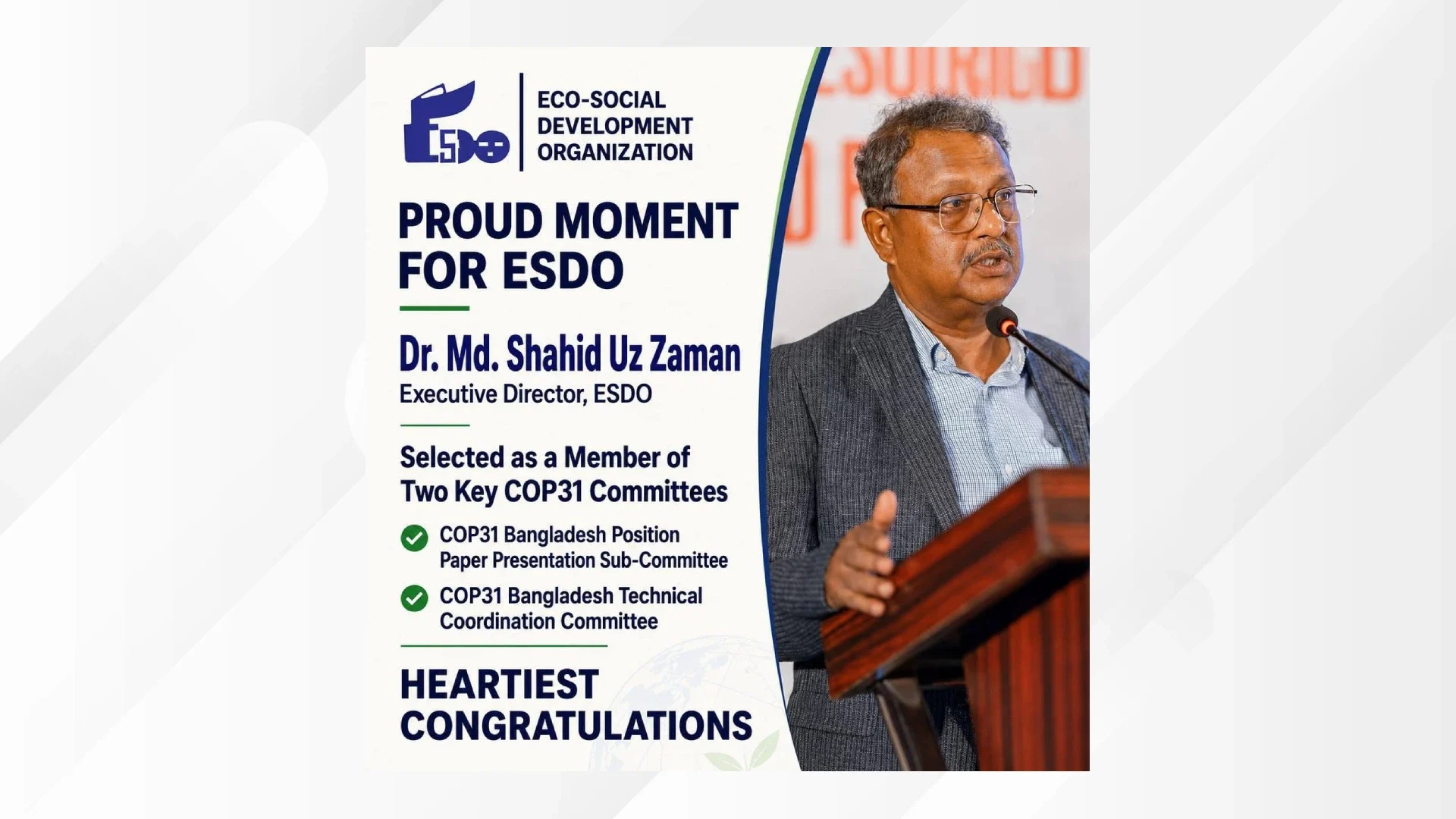
“We have long cherished the dream of establishing a high-quality science and technology university on the soil of Thakurgaon. Today, that dream has received state approval, and we express our deepest gratitude to the Honorable Prime Minister, Mr. Tarique Rahman, and the Honorable Minister for Local Government, Rural Development, and Cooperatives, Mr. Mirza Fakhrul Islam Alamgir. Our goal is to build a university where a student will not just walk away with a certificate; …will emerge with knowledge, technical skills, humanistic values, innovative thinking, and the ability to succeed in their careers.”
— Dr. Md. Shahiduzzaman, Founder & Executive Director, ESDO
From Thakurgaon to a New Center of Knowledge, Innovation, and Economic Progress:
The establishment of EUST aims to build a strong knowledge and innovation ecosystem in Thakurgaon and the broader northern region. By increasing local opportunities for quality higher education, developing skilled human resources, fostering new research and technological innovation, connecting industry and entrepreneurship, and boosting local employment, the university will have a long-term positive impact on the regional economy. Research based on solutions to the real-world challenges of the northern region in the fields of agricultural and food technology, climate resilience, environment, digital transformation, engineering, health technology, and social innovation will be particularly encouraged.
Gratitude to All: Sincere gratitude is expressed to the Honorable Prime Minister, the Honorable Minister of Local Government, Rural Development, and Cooperatives, the Ministry of Education, the University Grants Commission (UGC), relevant government institutions, academics, well-wishers, the people of Thakurgaon, and all members of the ESDO family for their guidance, cooperation, and trust throughout this long journey. ESDO views this approval not just as an achievement, but as a great responsibility towards future generations.
EUST’s Vision: From the North to World-Class Knowledge, Science, Technology, and Innovation
Quality Education • Science & Technology • Research & Innovation • Employability